

L-Carnitine
L-Carnitine: Benefits, Uses, Food Sources & Energy Metabolism
What is L-Carnitine?
L-Carnitine is a vital compound derived from amino acids (primarily lysine and methionine) that plays a central role in your body’s energy metabolism.
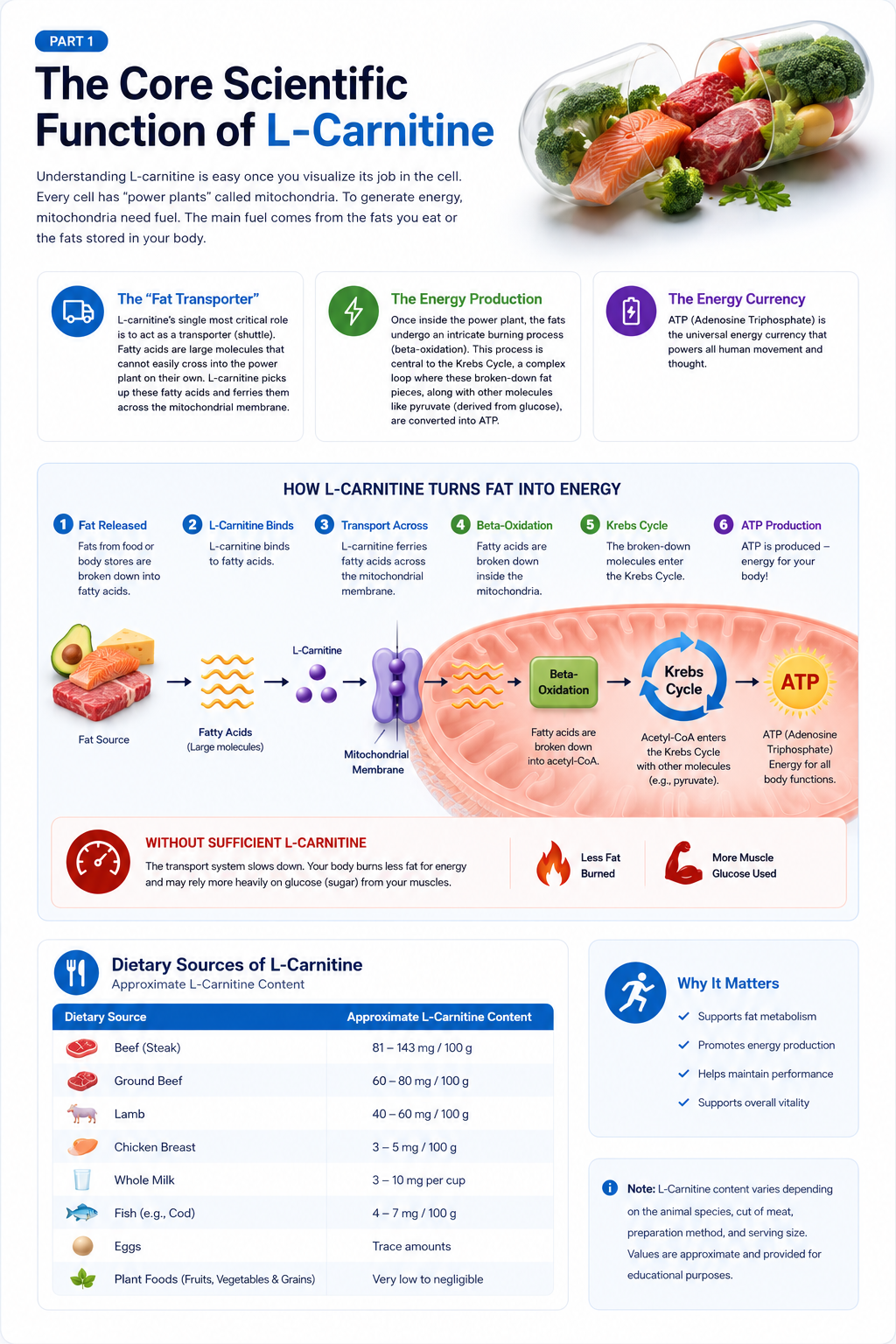
Often referred to as the cellular “fat transporter,” its primary job is to ferry long-chain fatty acids across the mitochondrial membrane and into the mitochondria—the powerhouse of the cell.
Once inside the mitochondria, these fats are burned (through a process called beta-oxidation) and converted into ATP (Adenosine Triphosphate), which acts as the primary energy currency for your muscles, heart, and brain.
Where is it found?
-
Internal Production: Your body naturally synthesizes it in the liver and kidneys, storing about 95% of it in skeletal and heart muscle.
-
Dietary Sources: It is heavily found in animal products. Red meat (like beef and lamb) is the richest source, followed by poultry, fish, and dairy. Plant-based foods contain very negligible amounts.
-
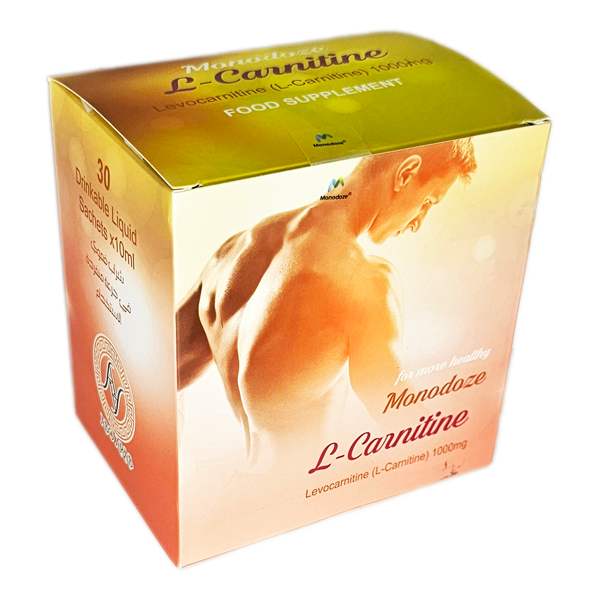
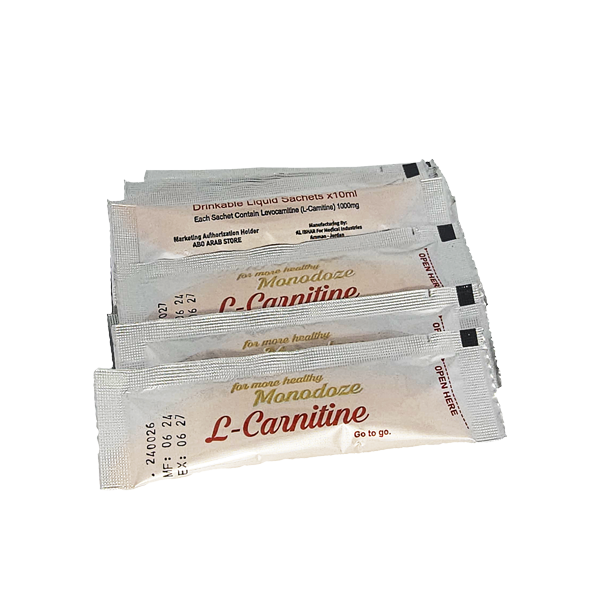
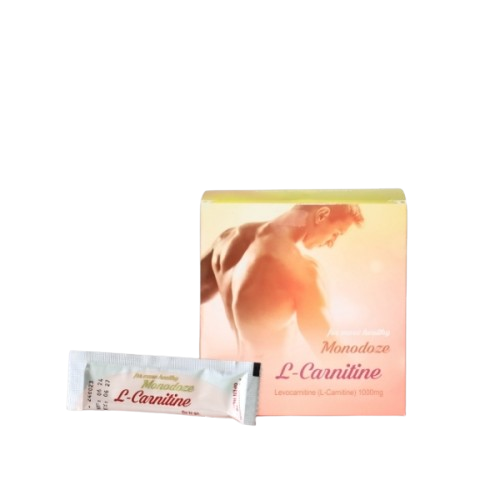
Supplements: It is also widely available as a dietary supplement (such as L-Carnitine Tartrate or Acetyl-L-Carnitine) to support athletic performance, recovery, and weight management.
How It Works؟
L-Carnitine works at the cellular level by acting as a highly specific transporter for fat metabolism. Here is the step-by-step breakdown of how it generates cellular energy:
1. The Transport Phase (“The Shuttle”)
Fatty acids from the food you eat or from stored body fat travel through the bloodstream and enter your cells. However, these long-chain fatty acids are too large to pass through the double membrane of the mitochondria (the cell’s power plants) on their own. L-Carnitine acts as the exclusive shuttle, binding to these fatty acids and ferrying them across the mitochondrial membrane.
2. The Conversion Phase (“The Furnace”)
Once inside the mitochondria, the fatty acids are released. They undergo a breakdown process called beta-oxidation. The pieces of these broken-down fats enter the Krebs Cycle (a complex chemical loop), where they are converted into ATP (Adenosine Triphosphate). ATP is the universal “energy currency” that fuels everything your body does, from contracting muscles during a workout to maintaining a heartbeat.
3. The Detoxification Phase (“The Cleanup”)
During this intense energy-producing process, the mitochondria generate toxic waste products and metabolic debris. L-Carnitine binds to these harmful byproducts and carries them back out of the mitochondria. This housekeeping function prevents toxic buildup, ensuring the cellular power plants continue to run cleanly and efficiently.
Energy Metabolism
Energy metabolism is the grand total of all chemical reactions in the body that convert the food you eat into cellular energy. It is the engine that keeps you alive, breathing, and moving.
At the heart of this process is the generation of ATP (Adenosine Triphosphate), the universal energy currency of life.
The Core Stages of Energy Production
To turn macronutrients (carbohydrates, fats, and proteins) into usable ATP, the body relies on a series of interconnected pathways.
1. Glycolysis & The Breakdown Phase
Before fuel can be burned, it has to be broken down into smaller pieces.
- Carbohydrates are converted into glucose, which is split during glycolysis to create a molecule called pyruvate.
- Fats are broken down into fatty acids, which require specialized transport systems (such as L-Carnitine) to enter the cellular power plants.
- Proteins are broken down into amino acids, which are generally used for tissue repair but can also serve as a backup energy source during starvation or prolonged intense exercise.
2. Entering the Cellular Power Plant (The Mitochondria)
The real magic of energy production happens inside the mitochondria.
- Pyruvate from carbohydrates enters the mitochondria and is converted into a key molecule called Acetyl-CoA.
- Fatty acids enter the mitochondria through a process known as β-Oxidation, where they are broken down into Acetyl-CoA.
3. The Krebs Cycle (Citric Acid Cycle)
Acetyl-CoA enters the Krebs Cycle, a continuous series of biochemical reactions inside the mitochondria. During this cycle, high-energy electrons are extracted from fuel molecules and transferred onto the carrier molecules NADH and FADH2.
These carrier molecules function as cellular energy shuttles, delivering electrons to the next stage of ATP production.
4. Electron Transport Chain & Oxidative Phosphorylation
This is the final and most efficient stage of energy metabolism.
The electrons carried by NADH and FADH2 move through a series of protein complexes embedded in the inner mitochondrial membrane.
As electrons flow through this chain, they generate a proton (H+) gradient across the membrane. This stored energy powers the enzyme ATP Synthase, which rapidly converts ADP into ATP, supplying energy for virtually every cellular function.
The Efficiency Clean-Up
Energy metabolism is remarkably efficient, but like every energy-producing system, it generates metabolic by-products.
The oxidation of carbohydrates and fats produces carbon dioxide (CO2), which is removed through breathing, and water (H2O), which contributes to the body’s fluid balance.
High-intensity energy production also generates free radicals and other reactive molecules inside the mitochondria. Healthy cells rely on antioxidant defense systems and natural cellular repair mechanisms to remove these by-products, helping maintain efficient mitochondrial function and protecting cells from oxidative damage.



Benefits:
Scientific research highlights several key benefits of L-Carnitine, stemming primarily from its fundamental role in transporting fatty acids into the cellular powerhouses (mitochondria) to be burned for fuel.
1. Optimization of Fat Metabolism & Weight Loss
When integrated into a balanced weight loss regimen, L-Carnitine enhances the body’s efficiency in utilizing stored fat as an energy source.
-
Reduced Fat Mass: Clinical reviews indicate that supplementation can significantly reduce overall body weight, body mass index (BMI), and fat mass, particularly when combined with exercise and calorie restriction.
-
Improved Insulin Sensitivity: Research demonstrates that it can help regulate blood sugar levels, lower fasting blood glucose, and improve insulin response, especially in individuals with type 2 diabetes or those classified as overweight.
2. Enhanced Exercise Performance & Endurance
By improving how the body uses fat for fuel, L-Carnitine helps preserve vital glycogen (sugar) stores in the muscles during prolonged exertion.
-
Increased Power & Stamina: Studies suggest that maintaining adequate carnitine levels can expand exercise capacity, optimize muscle oxygen supply, and delay the onset of physical fatigue during intense workouts.
3. Accelerated Post-Workout Recovery
L-Carnitine acts as a protective agent against the physical strain of high-volume training.
-
Reduced Muscle Soreness: Clinical evidence suggests that supplementation minimizes markers of structural muscle damage and reduces post-exercise muscle soreness.
-
Better Blood Flow: It supports faster tissue recovery by enhancing blood flow and oxygen delivery to compromised muscle groups.
4. Cardiovascular Support
Because the heart muscle relies heavily on fatty acid oxidation for its constant energy needs, it is highly sensitive to carnitine availability.
-
Blood Pressure & Lipids: Research reviews indicate that L-Carnitine can significantly reduce diastolic blood pressure (particularly in individuals with obesity) and help improve cholesterol profiles by lowering total and LDL (“bad”) cholesterol.
-
Heart Function: It strengthens cardiac muscle function and is often studied for its capacity to improve exercise tolerance in individuals experiencing chest pain (angina) or managing chronic heart failure.
5. Brain Health & Cognitive Function
When consumed in the form of Acetyl-L-Carnitine (ALCAR), the compound can effectively cross the blood-brain barrier.
-
Neuroprotection: Studies suggest it supports neurological health, helps alleviate symptoms of depression, and may slow down mild, age-related cognitive decline.
6. Cellular Housekeeping (Detoxification)
Beyond generating energy, L-Carnitine performs a critical cleansing function.
-
Waste Removal: It binds to and evacuates toxic metabolic byproducts and organic acids produced inside the mitochondria during energy production, preventing cellular buildup and maintaining long-term mitochondrial health.
Natural Food Sources:
The human body obtains L-Carnitine through two primary pathways: it manufactures a small amount internally, and it absorbs the rest from the food you eat.
Because the name carnitine is derived from the Latin word for flesh (caro), it is no surprise that animal products are the richest natural sources of this compound. As a general rule of thumb: the redder the meat, the higher the L-Carnitine content.
High-Yield Sources (Red Meats)
Red meats provide the highest concentrations of L-Carnitine per serving by a wide margin.
-
Beef (Steak/Roast): The absolute richest source available, offering roughly 81 to 143 mg per 100 grams.
-
Ground Beef: Highly bioavailable, providing around 60 to 80 mg per 100 grams.
-
Lamb: Another excellent red meat option, yielding approximately 40 to 60 mg per 100 grams.
Moderate Sources (Poultry, Seafood, & Dairy)
If you prefer to limit red meat, these options provide moderate amounts to help sustain cellular energy production:
-
Fish (e.g., Cod): A great seafood option, yielding about 4 to 7 mg per 100 grams.
-
Whole Milk: Provides about 3 to 10 mg per single cup.
-
Chicken Breast: A leaner option that delivers roughly 3 to 5 mg per 100 grams.
-
Other Dairy: Cheeses and yogurts contain small, accessible amounts.
Low to Negligible Sources (Plant-Based Foods)
Plant-based foods contain very little L-Carnitine because plants do not rely on the same fatty acid transport mechanisms for energy.
-
Eggs: Contain only trace, negligible amounts.
-
Vegetables, Fruits, and Grains: Standard plant foods (like broccoli, bananas, or rice) contain virtually zero L-Carnitine.
The Plant-Based Consideration
Because vegan and strict vegetarian diets lack animal-derived foods, individuals following these lifestyles typically have significantly lower blood levels of L-Carnitine.
Fortunately, the human body can bridge the gap by synthesizing its own L-Carnitine in the liver and kidneys. However, to do this efficiently, the body requires a steady supply of two essential amino acids found in protein: lysine and methionine, alongside adequate amounts of Vitamin C, Iron, Vitamin B6, and Niacin.
Who May Benefit?
Based on its role in energy metabolism, fat transportation, and cellular recovery, several specific groups of people may experience notable benefits from L-Carnitine supplementation or a diet rich in the compound:
1. Endurance Athletes and Fitness Enthusiasts
Because L-Carnitine optimizes how efficiently the body burns fat for fuel while preserving muscle glycogen (stored carbohydrates), it is highly beneficial for those engaged in intense physical training.
-
Long-Distance Athletes: Runners, cyclists, and triathletes may notice improved stamina and delayed onset of fatigue.
-
Strength Trainers: Individuals performing high-intensity resistance training can benefit from its ability to reduce post-workout muscle soreness and speed up tissue recovery.
2. Individuals on Weight Management Programs
People looking to improve their body composition can utilize L-Carnitine to support their goals, provided it is paired with a proper diet and exercise plan.
-
Fat Loss Support: It assists those with calorie deficits by ensuring the body efficiently mobilizes and burns stored fatty acids rather than conserving them.
-
Metabolic Efficiency: It can help reduce body mass index (BMI) and support a reduction in stubborn visceral (abdominal) fat.
3. Vegans and Strict Vegetarians
Because the richest dietary sources of L-Carnitine are red meat, poultry, and dairy, individuals following plant-based diets typically have significantly lower systemic levels of the compound.
-
Filling the Gap: While the body can synthesize its own carnitine from amino acids, strict vegans and vegetarians often benefit from supplementation to maintain optimal cellular energy levels and prevent mild deficiencies.
4. Adults Focused on Healthy Aging & Brain Function
As the body ages, natural mitochondrial function and endogenous carnitine production begin to decline, which can impact both physical vitality and mental sharpness.
-
Cognitive Support: Older adults utilizing Acetyl-L-Carnitine (ALCAR) may experience improvements in focus, memory, and mental energy, as well as a slowing of mild, age-related cognitive decline.
-
Combating Fatigue: It helps older individuals maintain physical energy levels and manage age-related muscle loss.
5. Individuals Managing Cardiovascular Concerns
Since the heart relies heavily on fatty acid oxidation to continuously pump blood, keeping carnitine levels optimized is vital for cardiac efficiency.
-
Heart Health: People managing high blood pressure, poor cholesterol profiles, or chronic heart conditions (under medical supervision) may benefit from its ability to support heart muscle function and improve blood flow.
6. People with Metabolic Disruption (Type 2 Diabetes)
L-Carnitine plays a documented role in glucose management.
-
Insulin Sensitivity: Individuals with insulin resistance or type 2 diabetes may benefit from improved blood sugar regulation and enhanced glucose uptake into the cells.
Safety :
General Safety and Tolerability
L-Carnitine is generally well-tolerated and safe for most adults when consumed through natural dietary sources or taken as a supplement within standard recommended guidelines. Because it is a compound the body naturally produces and recognizes, significant adverse reactions are rare.
Potential Side Effects
While side effects are uncommon, they can occur—particularly if the compound is taken in high doses or on an empty stomach:
-
Digestive Discomfort: Mild gastrointestinal symptoms such as nausea, vomiting, abdominal cramps, or diarrhea may occur.
-
“Fishy” Body Odor: At very high supplemental doses (typically exceeding 3 grams per day), the breakdown of carnitine by gut bacteria can produce a byproduct called trimethylamine, resulting in a distinct fishy odor in sweat, breath, or urine.
Standard Dosages
For general health, performance, and metabolic support, typical supplemental dosages range from 500 mg to 2,000 mg (2 grams) per day. To maximize absorption and reduce the risk of stomach upset, it is often best to split this into smaller doses taken alongside carbohydrate- or protein-containing meals.
Key Warnings & Precautions
Certain individuals should exercise caution and consult a healthcare professional before starting an L-Carnitine supplement:
-
Drug Interactions: L-Carnitine may interact with blood-thinning medications (such as warfarin), potentially increasing their effects, as well as certain thyroid hormone therapies.
-
Pre-existing Medical Conditions: Individuals with a history of seizures, hypothyroidism, or advanced kidney disease (such as end-stage renal disease under clinical treatment) require strict medical supervision when adjusting carnitine levels.
-
Pregnancy and Lactation: Due to limited clinical data regarding high-dose supplementation during pregnancy or breastfeeding, it is recommended to stick to normal dietary intake unless otherwise directed by a physician.
Related Products
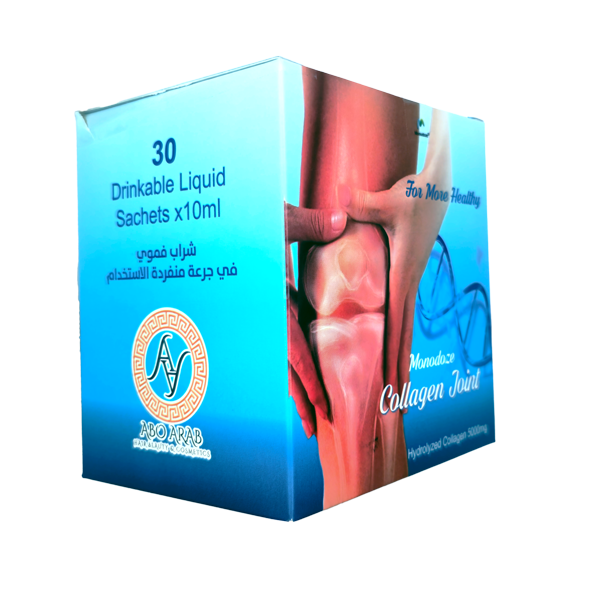
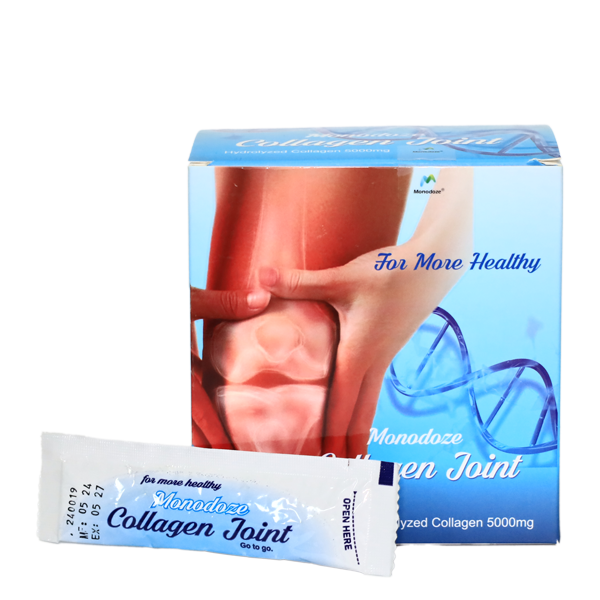
Explore premium DR. NOUN supplements related to L-Carnitine and energy metabolism.
Scientific References
This page references trusted scientific resources.